House Renovation : Examine the Top Services That Can Refresh Your Residential Area
Residential remodeling serves as a planned method to boost both the functionality and look and feel of a residence. By concentrating on critical zones such as kitchens, bathrooms, and exterior areas, homeowners can greatly improve their residential settings. Each remodel presents distinct chances and challenges. Grasping these factors can lead to educated selections and positive conclusions. What key factors should homeowners take into account before starting their renovation project?
Kitchen Renovation: Modernizing the Home's Core
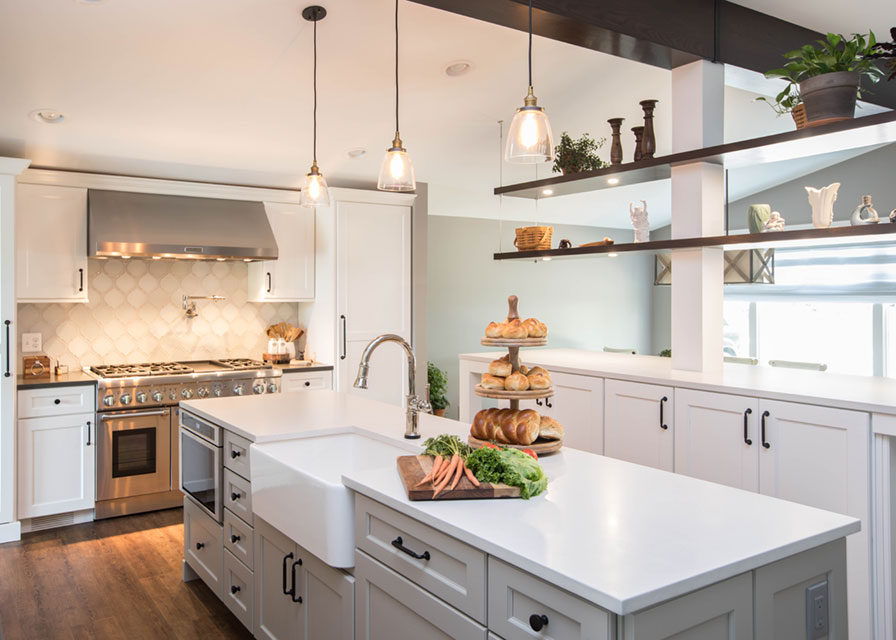
As homeowners aim to enhance their living spaces, kitchen remodeling stands out as a transformative project that can markedly increase both functionality and aesthetic appeal. A skillfully completed kitchen renovation can enhance the efficiency of cooking, improve storage solutions, and create a more inviting atmosphere for family time and socializing.
Key elements such as modern appliances, refreshed cupboards, and stylish countertops can vastly enhance the space. Homeowners often opt for open floor plans, which foster a sense of connectivity between the kitchen and adjoining living areas.
Illumination is highly important, with options ranging from ambient fixtures to task lighting that illuminates work areas.
Adding sustainable materials and energy-efficient appliances doesn't just support caring for the environment but can also lead to reduced expenses. Finally, kitchen remodeling is more than just aesthetics; it is an asset that can enhance daily living experiences while increasing property value.
Bathroom Renovations: Building a Personal Sanctuary
Bathroom renovations can convert a standard space into a personal sanctuary. By including premium fittings and materials, homeowners can boost the look and utility of their bathrooms. Moreover, efficient layout strategies can enhance the overall experience, making even smaller bathrooms feel large and comfortable.
Luxurious Fixtures and Finishes
Changing a bathroom into a luxurious haven relies greatly on the choice of luxurious fixtures and surfaces that boost both aesthetics and functionality. High-end faucets and showerheads, made using metals like polished chrome or brushed nickel, add a touch of elegance while offering top-notch operation. Freestanding soaking tubs and spacious walk-in showers, adorned with decorative tile patterns and frameless glass doors, establish a tranquil environment. Incorporating natural stone countertops and bespoke cabinets improves the look and feel, delivering elegance and function. Atmospheric illumination, including wall sconces or ceiling lights, helps establish a peaceful atmosphere. By intentionally picking these components, homeowners can create a personal oasis that encourages rest and revitalization, ultimately transforming everyday routines into pampering events.
Techniques for Space Efficiency
Designing a luxurious sanctuary demands more than just premium fixtures and surfaces as well as efficient space utilization methods that maximize the available area. A good strategy is to consider leveraging vertical height using wall-mounted units and shelves, helping to keep the floor clear and create an airy feel. Furthermore, using versatile furniture pieces, for example, a vanity that includes drawers, can enhance usability and reducing clutter. Thoughtful illumination, such as ambient lighting and recessed fixtures, can also create an inviting atmosphere without overwhelming the space. In addition, employing bright color tones and glossy finishes makes the room look larger, making it feel more open. Through careful application of these methods, the space can turn into a tranquil haven, combining style with utility.
Living Room Enhancements: Focusing on Style and Ease
When homeowners seek to elevate their living spaces, they often focus on upgrades which boost both aesthetics and coziness in the living room. Key improvements can include picking soft, appealing furnishings that invites rest and matching the overall style. Using plush materials, including throw pillows and floor coverings, brings in texture and coziness, fostering a snug environment.
Additionally, updating lighting fixtures with stylish designs and variable intensity transforms the atmosphere, making the space more inviting. Fresh paint or wallpaper in soothing colors helps revitalize the area, ensuring a consistent aesthetic.
Moreover, adding contemporary tech, such as smart home systems, doesn't just improve ease of use while offering a current aesthetic. By committing to these careful enhancements, residents are able to convert their sitting areas into elegant, comfortable retreats that mirror their individual aesthetic.
Outside Spaces: Enlarging Your Home's Area

Outside areas are now a very popular addition to the residence, allowing residents to connect with nature while improving both the function and look of their property. These spaces frequently feature outdoor kitchens, decks, and patios that facilitate entertaining and relaxation. By incorporating features such as fire pits, water elements, and comfortable seating areas, homeowners can create inviting environments for relaxed evenings or hosting family events.
Landscaping plays a vital role in planning outside living areas, offering an easy flow from the interior to the exterior. Strategic placement and selection of plants helps increase privacy while establishing a tranquil environment. Additionally, incorporating lighting elements makes the area functional at night, making the space a dynamic place for socializing.
Ultimately, investing in outdoor living spaces doesn't just grow the home's area but also raises its market value, which attracts prospective purchasers in today’s real estate market.
Basement Finishing: Utilizing Vacant Space
Converting a vacant basement to create livable space greatly increases the utility and value of a home. Many homeowners neglect the basement, however, careful design and planning, it is capable of fulfilling many roles such as a guest suite, home office, or entertainment area.
Important factors for basement remodeling include moisture control, insulation, and proper lighting. A successful remodeling project can incorporate features like stylish finishes, built-in storage, and new flooring which create a welcoming atmosphere.
Additionally, adhering to local building codes and regulations is vital for guaranteeing safety and adherence. Residents might also look for professional guidance to manage the challenges of construction and design.
Finally, a completed basement doesn't just add to the home's data living area but also provides a sanctuary that meets the diverse needs of modern families, proving it to be a valuable investment for any owner.
Whole House Remodeling: A Comprehensive Makeover
A full home renovation demands detailed planning to guarantee that every aspect of the home meets the homeowner's vision and needs. Financial planning for renovations is also crucial, as it helps to manage expenses and prevents unforeseen expenses during the work. These factors collectively establish the basis for an effective and comprehensive house renovation.
Design Planning Essentials
What essential elements should homeowners consider when starting on an extensive home remodeling project? First, a clear vision is critical; homeowners should identify their goals and desired outcomes for the space. Next, understanding the layout and flow of the home helps in maximizing functionality. Homeowners should also assess existing structures to determine what can be retained or needs alteration. Engaging with professional designers can provide valuable insights and innovative solutions tailored to individual needs. Additionally, considering the lifestyle of the occupants is significant, as it influences design choices, materials, and finishes. Finally, determining a timeline for the project guarantees that expectations are managed, allowing for a smoother implementation of the remodeling process.
Budgeting for Renovations
As homeowners commence on an extensive remodel, establishing a realistic budget becomes imperative. This process requires meticulous planning and consideration of various factors, including materials, labor, and unforeseen expenses. Homeowners should begin by evaluating their financial situation and determining how much they can allocate for the entire project. It is advisable to create a detailed list of expected costs, accounting for both essential renovations and desired upgrades. Additionally, setting aside a contingency fund—typically 10-20% of the total budget—can help manage unexpected issues that may arise during the renovation. By prioritizing needs versus wants, homeowners can guarantee that their ambitious remodeling projects remain financially feasible, ultimately leading to a successful and satisfying transformation of their living spaces.
Frequently Asked Questions
How Do I Budget for a Home Remodeling Project?
To budget for a home remodeling project, one should assess overall costs, prioritize needs versus wants, gather multiple quotes from contractors, allocate a contingency fund, and track expenses meticulously throughout the renovation process.
What Permits Are Required for Home Renovations?
Permits for home renovations typically include building permits, electrical permits, plumbing permits, and possibly zoning permits. The rules change depending on the area, which means consulting the municipal government or engaging a professional guarantees compliance to all rules.
How Can I Choose an Appropriate Professional?
To choose a suitable professional, you must look into their background, check testimonials, get several quotes, verify past work, and ensure open dialogue about what is anticipated and schedules. Mutual respect and good chemistry are essential for a successful partnership.
How Long Does a Remodel Usually Take for the Construction Work?
The average schedule for a renovation is not fixed, generally taking several weeks to several months. Factors such as the size of the job, contractor availability, and unforeseen delays heavily impact the overall duration of the renovation project.
How Do I Keep Interruptions to a Minimum While the Remodel is Underway?
To reduce interference during the construction phase, you should set up open dialogue with the professionals, set up alternative areas for living, schedule work for less intrusive hours, and adopt an adjustable lifestyle, thus guaranteeing a more seamless process for the parties affected.